

Water is an essential part of everyday life, but not all water is used for the same purpose. The water you drink needs to meet a different standard from the water you use for showering, washing clothes, cleaning, or other household activities.
This is where the difference between drinking water filtration and working water filtration becomes important.
What Is Drinking Water?
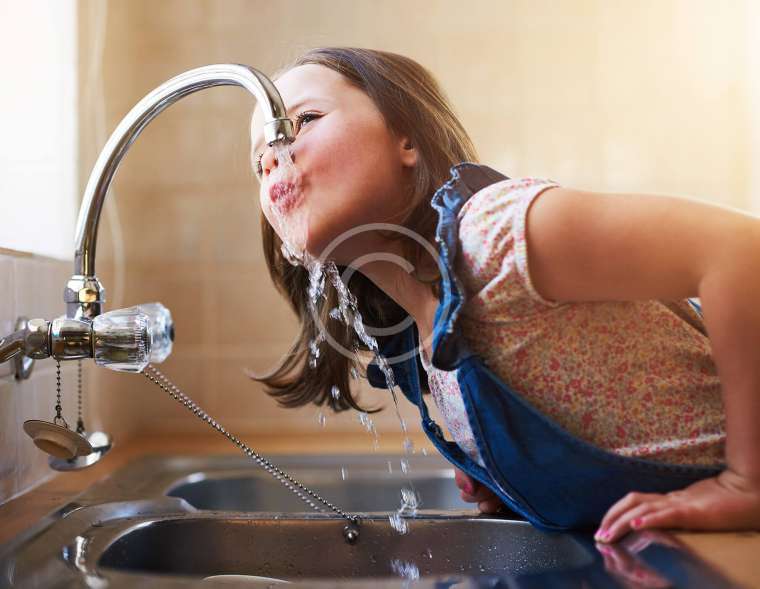
Drinking water is water intended for consumption. Because it enters the body, filtration systems designed for drinking water are typically focused on reducing contaminants that may affect health, taste, odor, or safety.
Common drinking-water filtration technologies include:
- Sediment filtration to reduce dirt, sand, and rust particles
- Activated carbon to improve taste and reduce chlorine and certain organic compounds
- Reverse osmosis (RO) to reduce many dissolved substances
- UV purification to inactivate microorganisms
- Specialized media designed to target specific contaminants
The right system depends on the quality of the incoming water and the contaminants present. No single filter removes everything.
What Is “Working Water”?
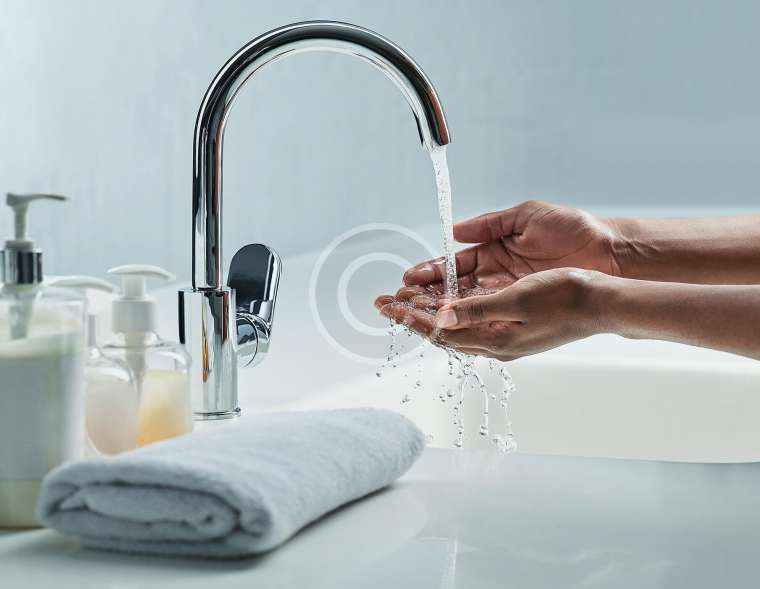
“Working water” refers to water used around the home or workplace rather than consumed directly. Examples include:
- Shower and bath water
- Water used for washing hands
- Laundry water
- Water used for cleaning
- Water used in certain appliances or processes
- Garden and utility water
The goal here is often different. Instead of making water suitable for drinking, filtration may focus on reducing sediment, chlorine, unpleasant odors, scale-forming minerals, or other issues that affect fixtures, appliances, skin, hair, or cleaning performance.
For example, a shower filter may be designed primarily to reduce chlorine and sediment before water reaches your skin and hair.
Drinking Water vs. Working Water
| Feature | Drinking Water | Working Water |
|---|---|---|
| Main purpose | Safe consumption | Household or utility use |
| Typical concern | Contaminants affecting health and safety | Sediment, chlorine, scale, odor, etc. |
| Common systems | RO, carbon, UV, sediment filters | Shower filters, sediment filters, carbon filters, softeners |
| Filtration requirements | Usually more stringent | Depends on the application |
| Used for | Drinking and cooking | Showering, washing, cleaning, etc. |
Why One Filter May Not Be Enough
A common mistake is assuming that a filter designed for drinking water will automatically be the best solution for every water application.
For example, an RO system can produce highly treated water for drinking, but using RO water for every household activity may be unnecessary and inefficient.
Likewise, a shower filter can improve certain aspects of shower water, but it should not automatically be considered a drinking-water purification system.
Different applications call for different filtration approaches.
Hard Water Is a Special Case
Hard water contains elevated levels of minerals such as calcium and magnesium. These minerals can contribute to:
- Scale buildup on taps and showerheads
- Spots on glass and fixtures
- Reduced soap performance
- Mineral deposits in appliances
- A different feel on skin and hair
A basic carbon or shower filter may not significantly reduce water hardness. Water softeners or other dedicated treatment systems are generally used when hardness is the primary concern.
This distinction is important because a product marketed as a “water filter” may not actually soften hard water.
Which System Should You Choose?
Start by identifying how you use the water and what is actually in it.
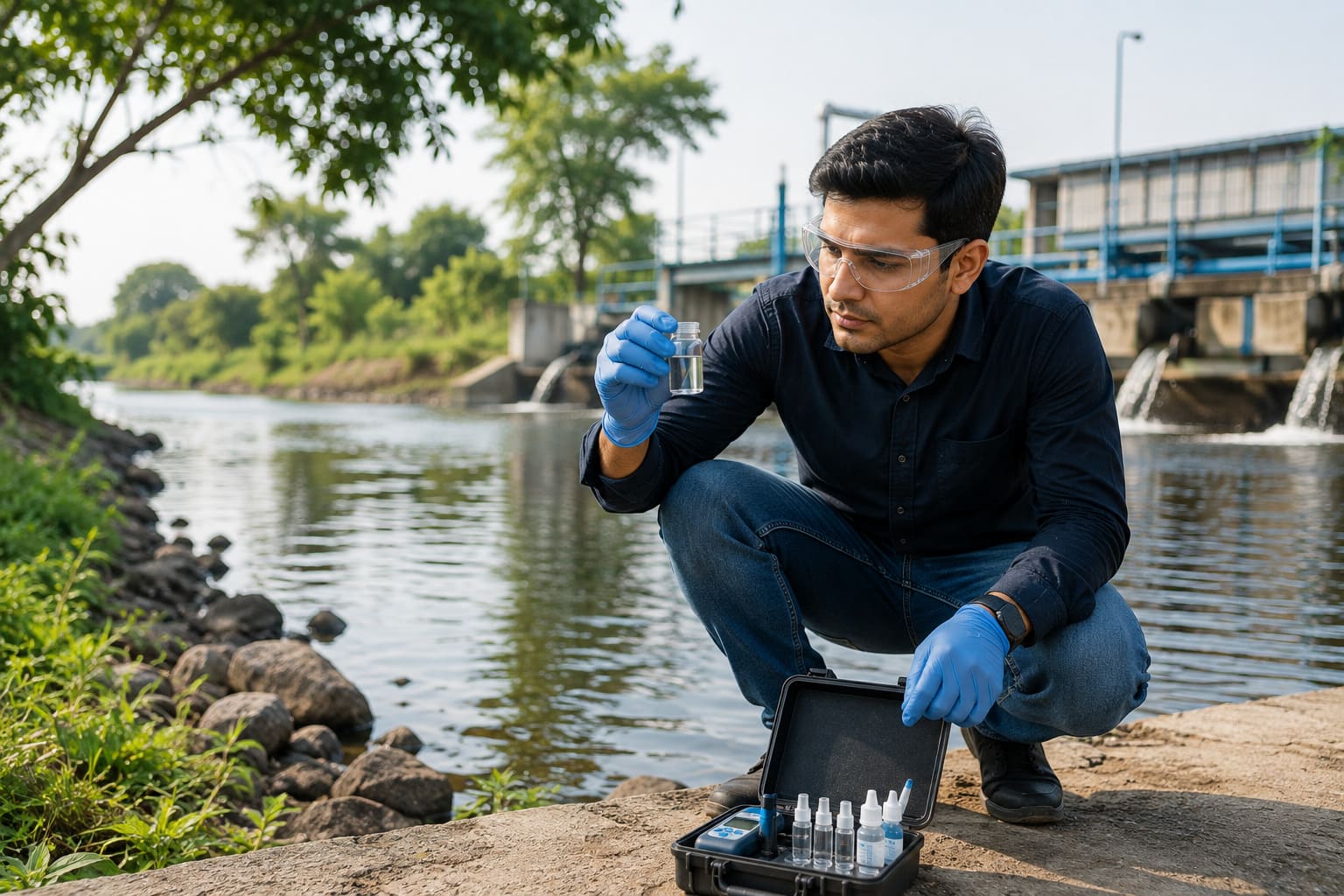
For drinking water, consider testing the water and selecting filtration based on the contaminants you need to address.
For working water, focus on the specific problem:
- Sediment: consider a sediment filter.
- Chlorine or odor: a suitable carbon or specialty filter may help.
- Hardness and scale: consider a water softener or appropriate scale-control system.
- Shower-water concerns: a shower filter may be appropriate for reducing certain contaminants such as chlorine and sediment.
The Bottom Line
Drinking water and working water have different jobs, so they don’t necessarily need the same treatment.
Drinking-water systems are designed around the requirements of water intended for consumption, while working-water systems are often designed to improve water for specific household or utility applications.
The best approach is not simply to buy the strongest-looking filter. Instead, test your water, identify the problem, and choose a treatment system designed for that particular use.
Good water treatment is ultimately about using the right technology for the right water and the right purpose.